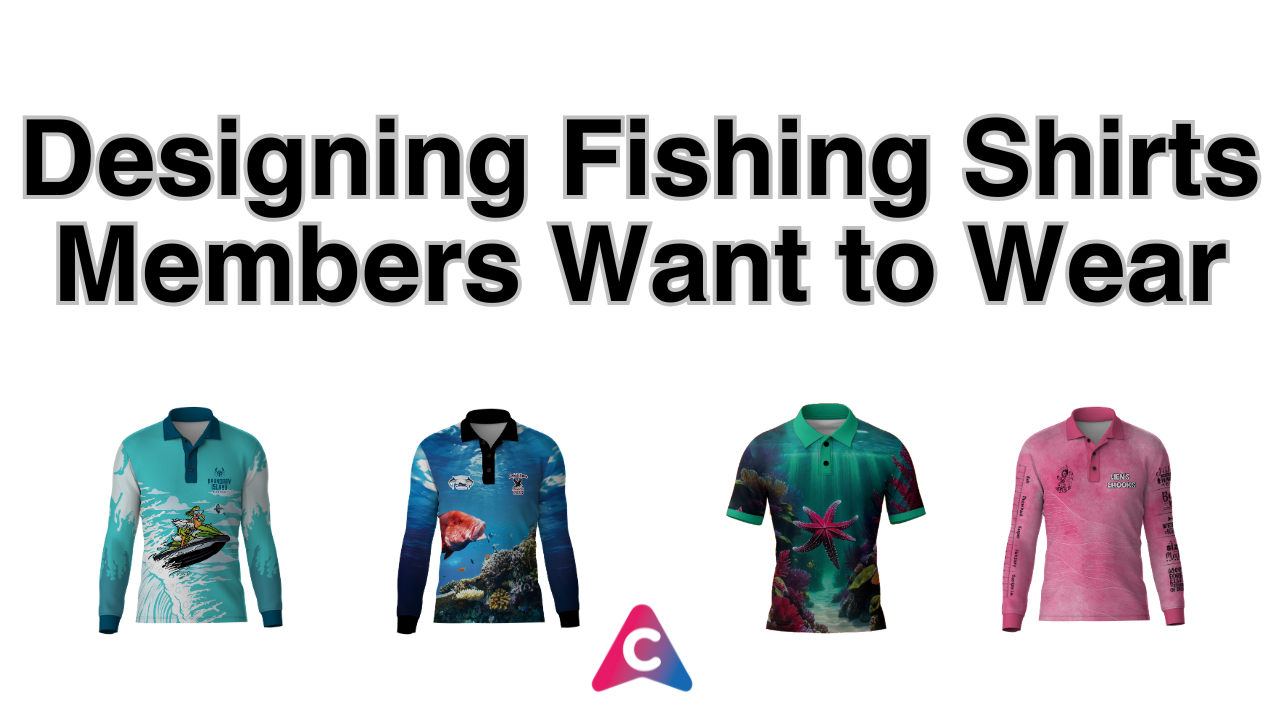
Designing Fishing Club Shirts That Members Actually Want to Wear
Fishing club shirts have a tough job to do. They need to work on the water, represent the club proudly and still feel comfortable enough that members choose to wear them outside competition days.
Too often, fishing shirts end up as “event-only” gear — worn once, then forgotten. The difference between a shirt that lives in the cupboard and one that becomes a favourite comes down to design, fabric and understanding how members actually use it.
This guide breaks down how to design fishing club shirts that members want to wear on the water and beyond, while strengthening identity, comfort and long-term value.
Quick Answer: What Makes a Fishing Club Shirt Wearable?
Fishing club shirts members actually wear are lightweight, breathable, sun-protective and designed with subtle branding. When comfort, fit and real-world use come first, club identity follows naturally.
Why Fishing Club Shirts Matter More Than You Think
Fishing clubs are built on shared time, shared stories and shared environments. Apparel plays a bigger role in that culture than many committees realise.
A well-designed fishing shirt:
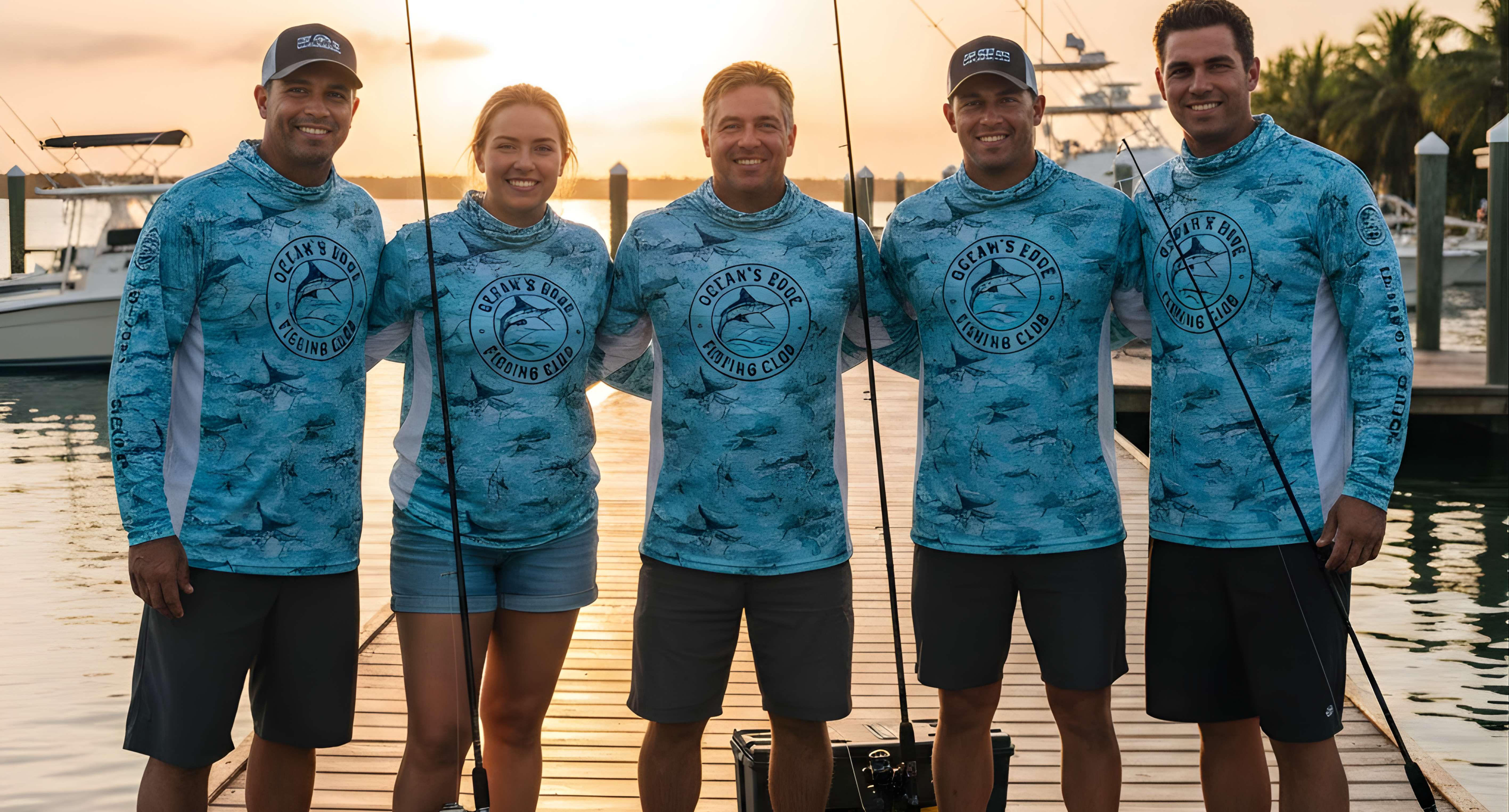
- Creates visual unity at events
- Signals professionalism and pride
- Becomes everyday apparel rather than novelty gear
When members wear club shirts to the boat ramp, the pub or the tackle shop, the club gains visibility without forcing it.
Start With How the Shirt Is Actually Used
The biggest design mistake is designing from a desk rather than the water.
Fishing shirts must perform in:
- Heat and humidity
- Direct sun exposure
- Long days without shade
- Repeated washing
This makes fabric choice non-negotiable.
Fabric Choices That Matter on the Water
Fishing shirts should prioritise function first.
Key fabric features include:
- Lightweight performance polyester
- Moisture-wicking properties
- Quick-dry capability
- Built-in UV protection
Ventilated panels and mesh zones help regulate body temperature during long sessions. A shirt that traps heat will not get worn twice.
Fit That Works for All-Day Wear
Fishing involves movement, bending and casting. Shirts must allow freedom without feeling baggy.
A relaxed athletic fit works best for most members. Enough room for airflow without excess fabric catching the wind or gear.
Offering both men’s and women’s cuts improves comfort and avoids the “one-size-fits-all” problem that leads to dissatisfaction.
Designing Club Identity Without Overdoing It
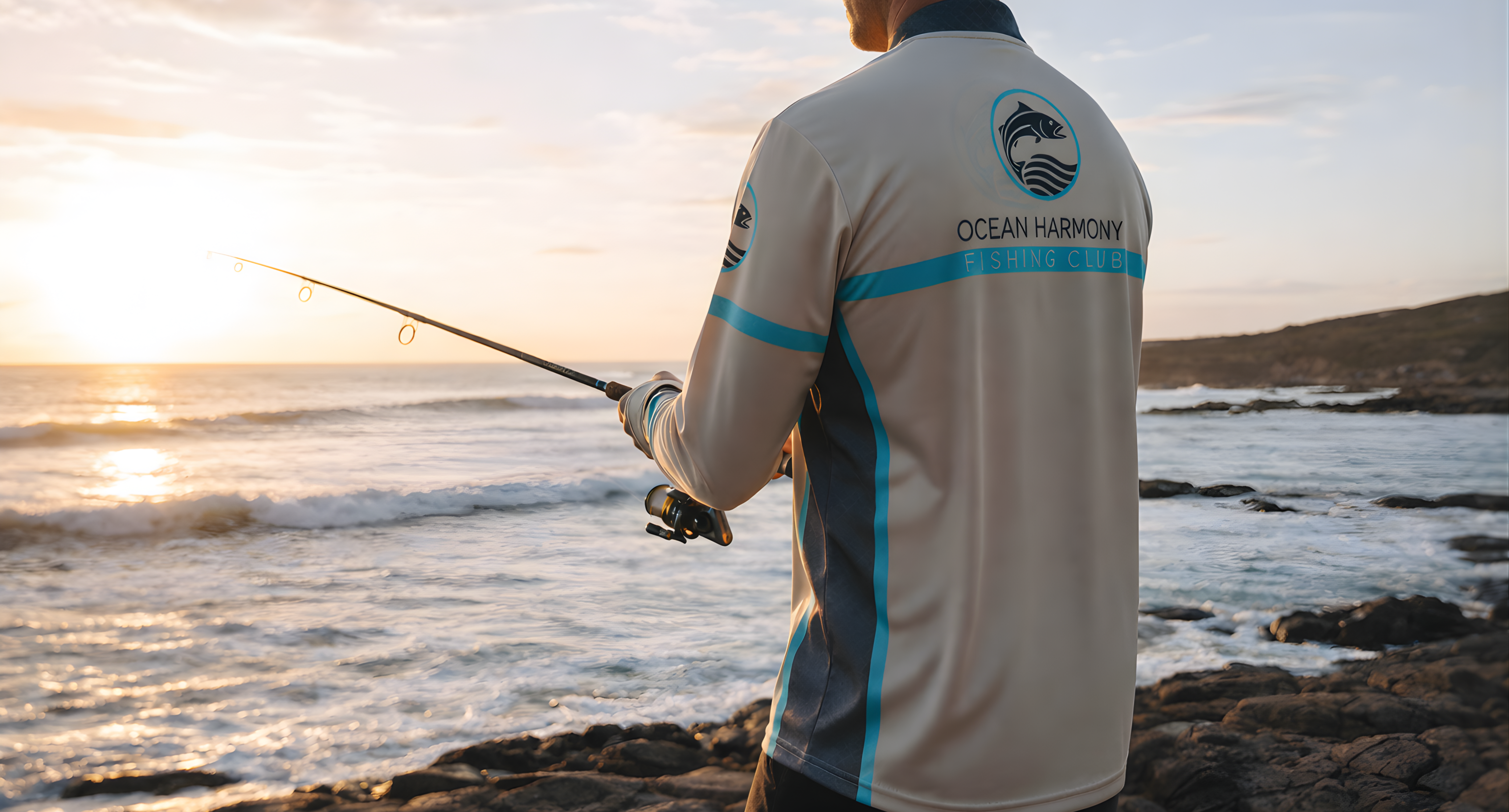
Fishing shirts should reflect club pride without becoming billboards.
Effective design principles include:
- Clean colour palettes
- Strategic logo placement
- Minimal text
- Balanced contrast
Large, busy graphics often date quickly and limit where members feel comfortable wearing the shirt. Subtle branding extends the life of the garment and increases off-water wear.
Sublimation vs Printed Designs
Sublimation is ideal for fishing shirts.
Because the design is dyed into the fabric:
- Shirts remain lightweight
- Graphics do not crack or peel
- Breathability is maintained
This is especially important in hot Australian conditions where heavy prints reduce comfort.
On-Water Function Meets Off-Water Style
The best fishing club shirts do not look like uniforms at first glance.
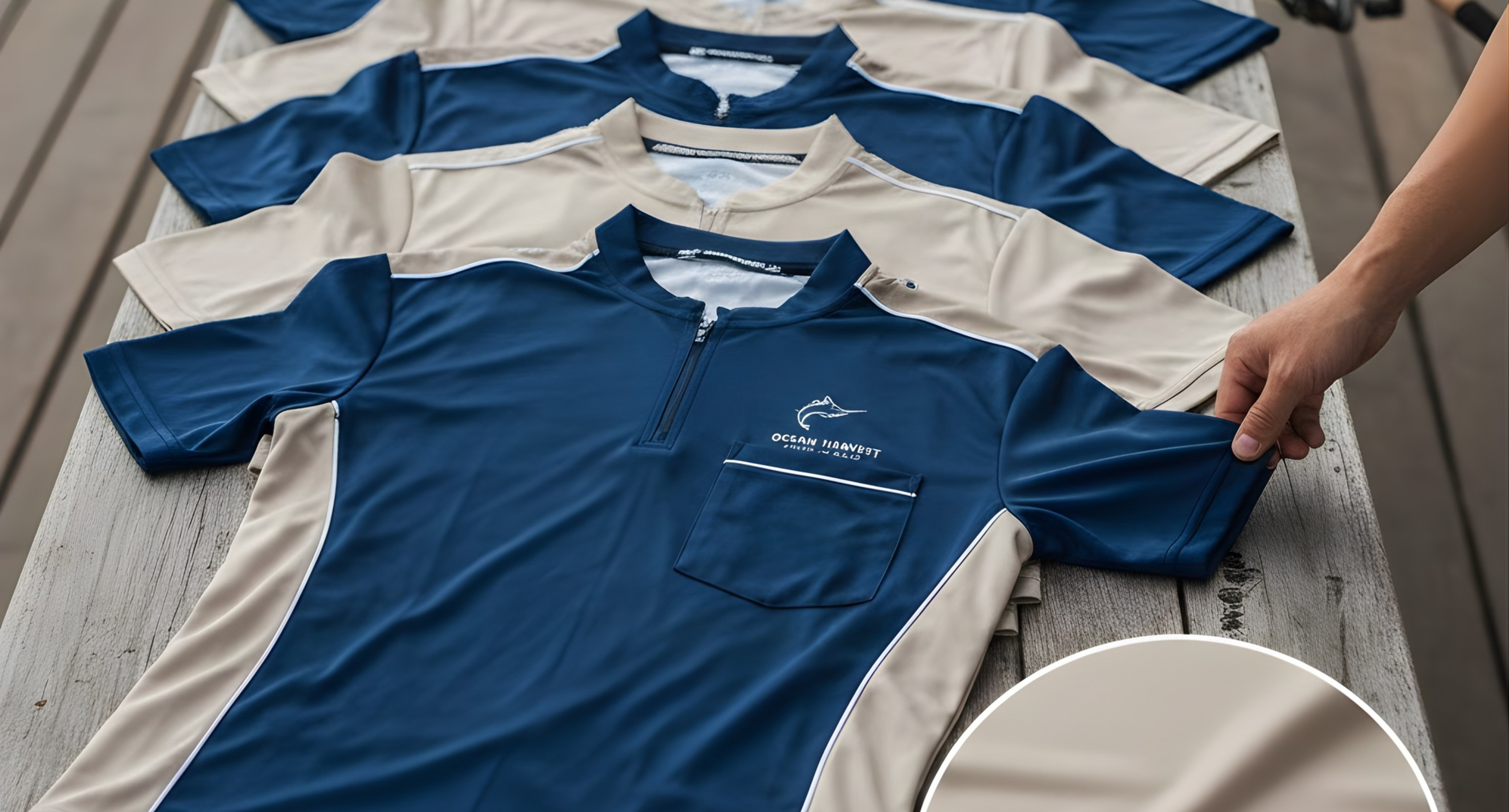
Neutral base colours with accent detailing allow shirts to double as casual wear. Members are far more likely to wear gear that feels appropriate beyond competitions or official days.
When shirts blend into everyday wardrobes, club visibility grows organically.
Customisation and Member Buy-In
Personalisation increases emotional connection.
Adding:
- Member names
- Boat names
- Year or event details
creates a sense of ownership. Even small personalised elements encourage members to value and wear their shirt more often.
Allowing limited input on colour or design options also increases acceptance without losing control of the final look.
Common Mistakes Fishing Clubs Make
- Choosing heavy fabrics
- Overcrowding designs
- Ignoring sun protection
- Prioritising price over wearability
Another mistake is ordering shirts only for events rather than everyday use. Shirts designed only for presentations rarely see real life.
Fishing Club Shirt Types Compared
| Shirt Type |
Best Use |
Key Features |
Wear Frequency |
| Competition Shirts |
Events |
Full branding, UV fabric |
Moderate |
| Casual Club Shirts |
Everyday wear |
Subtle design, comfort |
High |
| Long-Sleeve Shirts |
Sun protection |
Coverage, ventilation |
High |
| Event Edition Shirts |
Special occasions |
Limited design |
Low to Moderate |
Why Quality Always Wins Long-Term
Cheap shirts may reduce upfront costs but rarely deliver long-term value.
Low-quality garments fade, stretch and lose shape quickly. Members stop wearing them and club identity disappears with them.
Investing in quality materials and thoughtful design results in shirts that stay in rotation for years, not weeks.
Frequently Asked Questions
Are long-sleeve fishing shirts better?
Yes. Long sleeves offer superior sun protection and are preferred by many anglers in Australian conditions.
Should fishing shirts include sponsors?
They can, but sponsor logos should be integrated subtly to maintain wearability.
How many shirts should clubs order?
Most clubs benefit from an everyday shirt and a separate event or competition version.
Final Thoughts
Fishing club shirts should work as hard as the members wearing them.
When designed with comfort, sun protection and real-world use in mind, club apparel becomes more than uniform. It becomes part of the fishing lifestyle.
Clubs that prioritise wearability over novelty build stronger identity, better visibility and happier members — on the water and everywhere else.
Until next week.
Colour Up Marketing Team