Uniforms are powerful. They can lift pride, strengthen identity and create a sense of unity — or they can sit at the back of a wardrobe, never worn again after day one. The difference almost always comes down to design.
Whether it’s a workplace team or a sports squad, uniforms that hit the sweet spot between style, comfort and psychology do more than look good. They influence behaviour, confidence and how people connect to the group.
Here are five design secrets that make uniforms people genuinely want to wear.
1. Choosing Colours That Inspire Pride
Colour isn’t just aesthetic — it’s emotional science. Research into colour psychology shows that certain shades can trigger specific associations. Bold, saturated hues often project energy and authority, while muted tones convey calm and trust.
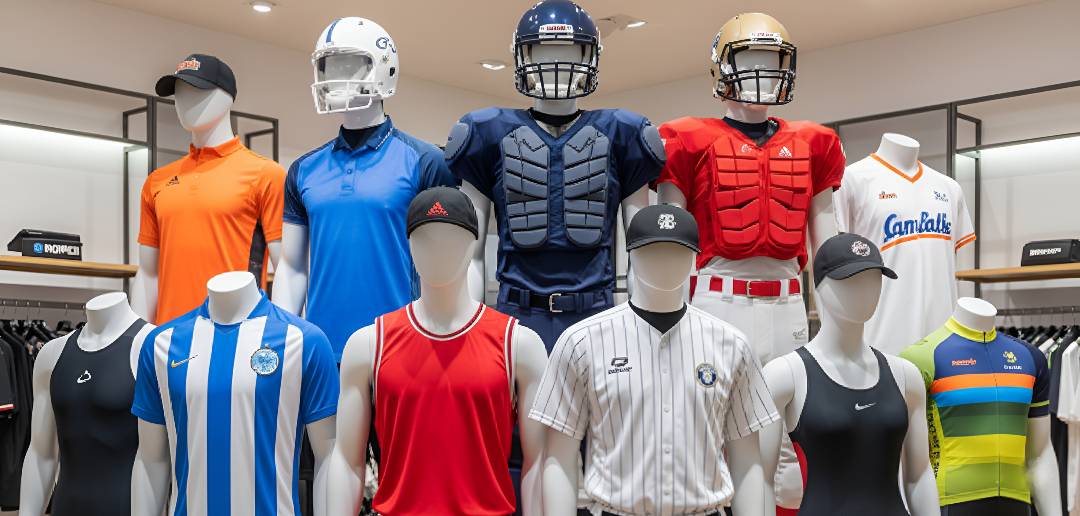
For uniforms, the key is to pick colours that align with both brand identity and team psychology. A construction company choosing hi-vis doesn’t just tick a safety box; it signals strength and reliability. A sports team leaning into deep blues or reds taps into centuries-old associations with loyalty and power.
Design Tip: Pair one dominant colour with a neutral accent. This creates contrast without overwhelming the eye and ensures the uniform looks sharp in real life and in photos.
2. Getting Logo Placement Right
A logo is more than a badge — it’s a symbol of belonging. But where it sits on a uniform affects how visible and respected it feels.
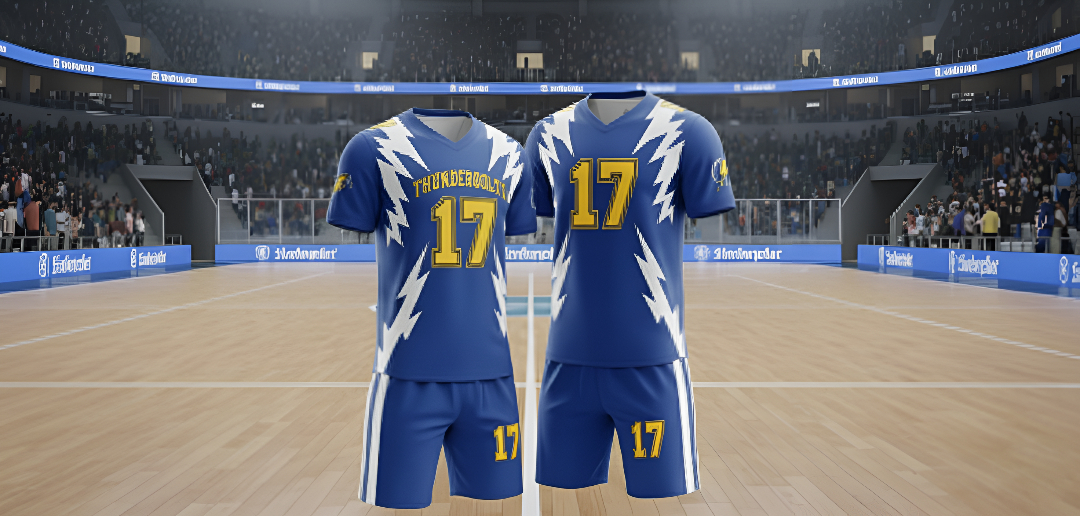
Studies in marketing design show that the upper chest area and sleeves are “high recall zones.” This is where the eye naturally lands, making these spots prime real estate. Oversized logos across the back can work for sports kits, while subtle embroidery on the chest suits corporate wear.
Design Tip: Keep logos clear, simple and scaled appropriately. A crisp embroidery on the chest builds pride without feeling like an ad.
3. Balancing Individuality With Team Identity
Humans are social creatures, but we also crave individuality. Social Identity Theory suggests that people adopt group norms more enthusiastically when they can still express their personal identity within them.
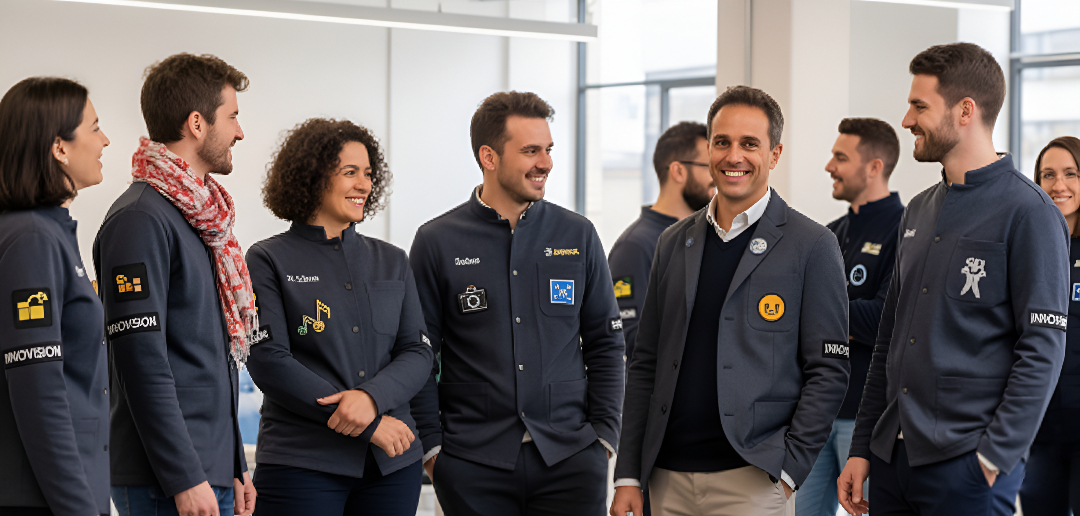
Uniforms can deliver this balance. Allowing customisation — like names, numbers, or even a small colour choice — gives wearers ownership. It becomes their uniform, not just the uniform. And when people feel invested, they’re more likely to wear it with pride.
Design Tip: Think in layers. A standard base design for cohesion, plus optional extras (like a personalised patch or cap) for individuality.
4. Prioritising Comfort and Fit
No matter how great a uniform looks, if it’s stiff, itchy, or poorly fitted, it won’t get worn. Comfort is non-negotiable.
Ergonomics and textile science show that breathable fabrics, moisture-wicking technology and stretch elements significantly increase day-to-day wear. Fit also matters — uniforms that cater to all body types make people feel respected and included.
Design Tip: Test wearability before rolling out a full order. Ask a small group to trial fabrics and cuts in real working or sporting conditions. Their feedback is gold.
5. Subtle Details That Elevate the Look
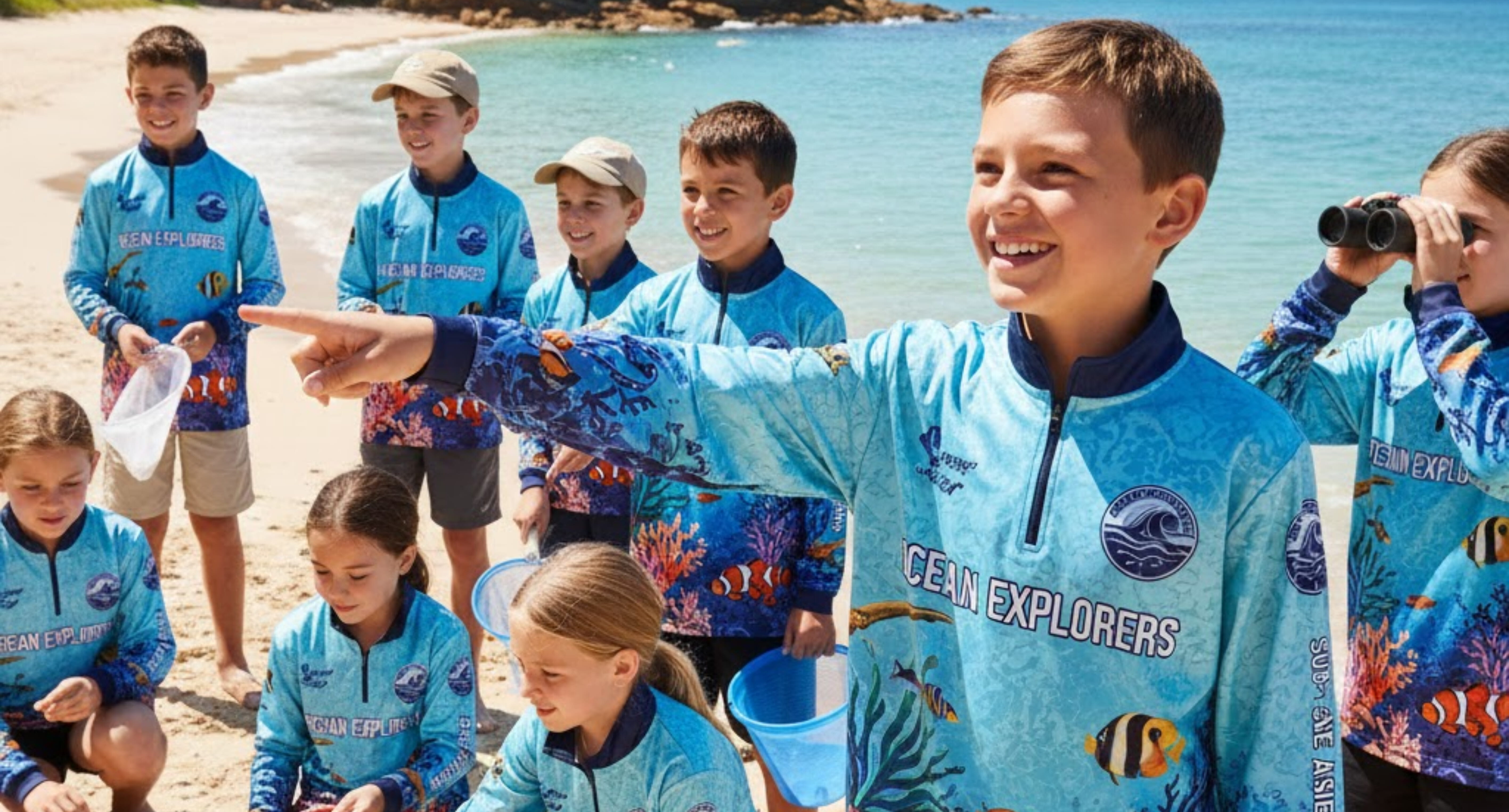
The details separate a “just okay” uniform from one that sparks pride. Think contrast stitching, textured panels, or even small nods to history (like a founding date on the sleeve).
Design psychology shows that subtle cues add perceived value. People are more likely to assign importance to something that feels crafted rather than generic. It’s the difference between a shirt they wear only when required and one they reach for willingly.
Design Tip: Less is more. One or two thoughtful design touches can make a uniform feel premium without pushing costs sky-high.
Your Uniform Design Checklist
Before signing off your next design, ask yourself:
- Do the colours reflect both identity and emotion?
- Is the logo placed where it earns visibility and respect?
- Have we created room for individual expression?
- Is comfort tested in real conditions?
- Are there subtle design touches that add value?
If you can tick all five, you’re well on your way to a uniform people will wear with pride.
Coming Up Next:
Uniforms aren’t just about how they look — they’re about how they make people feel. In our next post, From Pitch to Workplace: How Custom Apparel Builds Team Spirit Everywhere, we’ll explore how uniforms bridge the gap between performance and pride, building stronger teams in every setting.