


Introduction: The Gear Grind
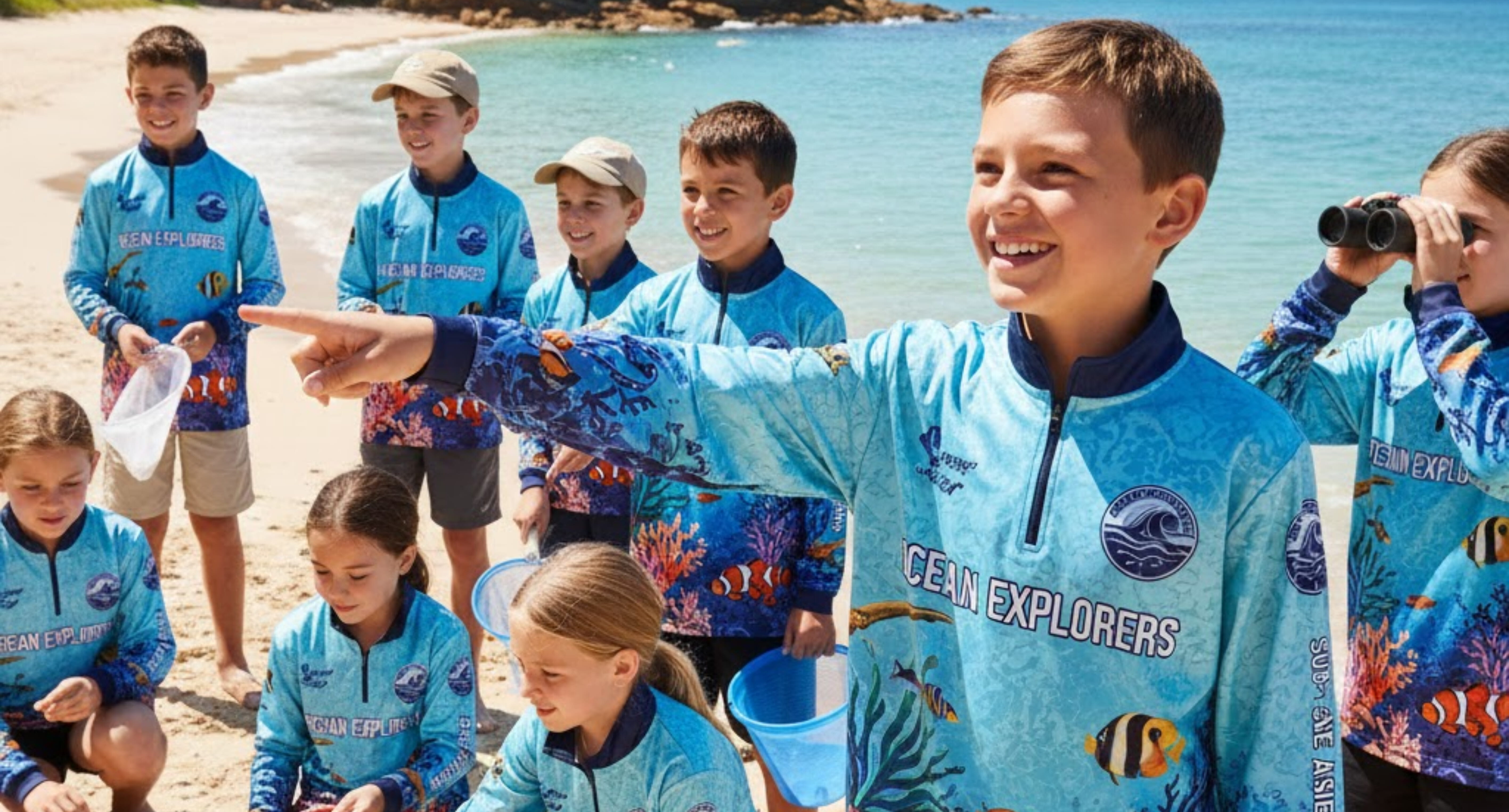
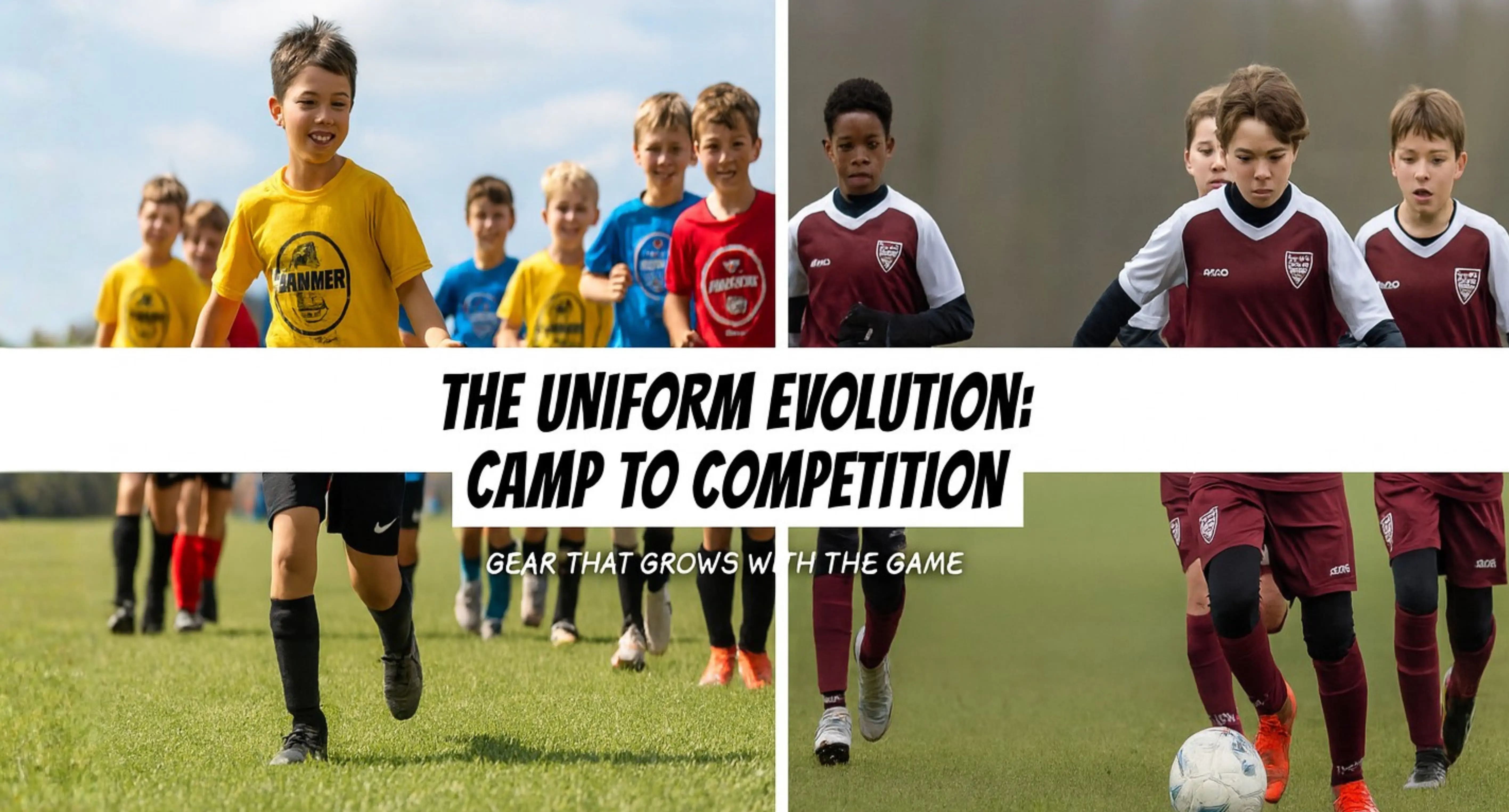
Every parent and program director knows the cycle. It starts in the summer: grass stains, intense sun and the rough-and-tumble environment of day camps. By autumn, the focus shifts to sleek game-day jerseys and the need for warmth on the sidelines.
Managing youth activities is a logistical marathon, but outfitting your team shouldn't be. The difference between a stressful season and a smooth one often comes down to the quality of the gear in the kit bag.
Whether you are running a recreational league, an elite travel team, or a summer skills camp, the goal is the same: uniforms that perform, protect and last. Here is your guide to choosing the best uniforms for every stage of the year.
1. The Foundation: Durability Over Everything
We have all seen it—the cheap vinyl number peeling off a jersey after three washes, or the fabric pilling until it looks like an old towel. In youth activities, durability is not a luxury; it is a necessity.
When selecting uniforms that need to survive a full calendar year, look for:
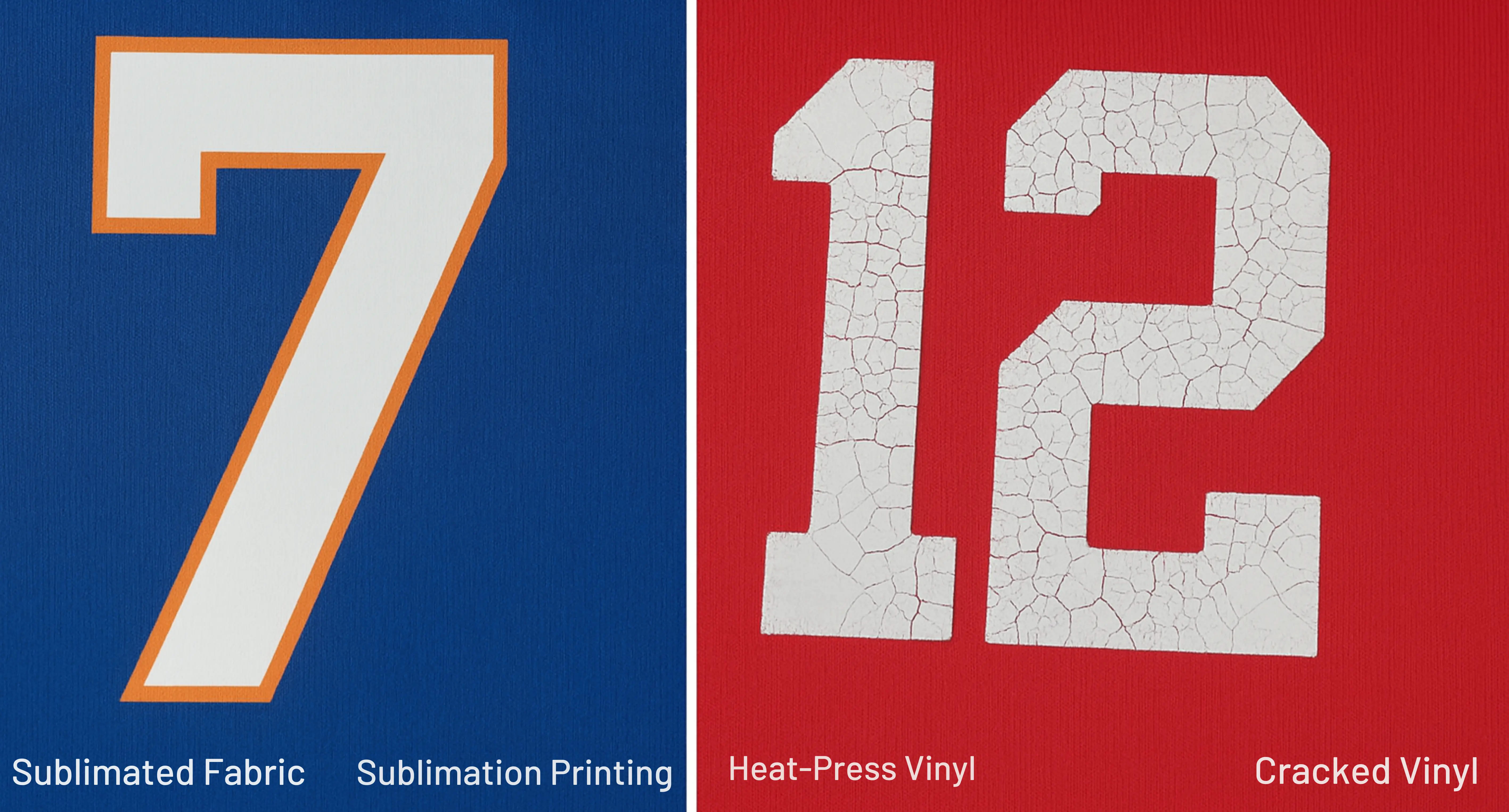
- Sublimation Printing: Unlike screen printing or heat-press vinyl (which can crack and peel), sublimation dyes the design directly into the fabric fibers. This means the numbers and logos will never fade or flake off, no matter how many times they hit the laundry.
- Reinforced Stitching: Kids pull, grab and slide. Double-stitched seams are critical for preventing rips during high-intensity play.
- Moisture-Wicking Technology: Cotton is comfortable for lounging, but terrible for sweating. Synthetic blends that pull moisture away from the skin keep kids cool in July and dry (and therefore warmer) in November.
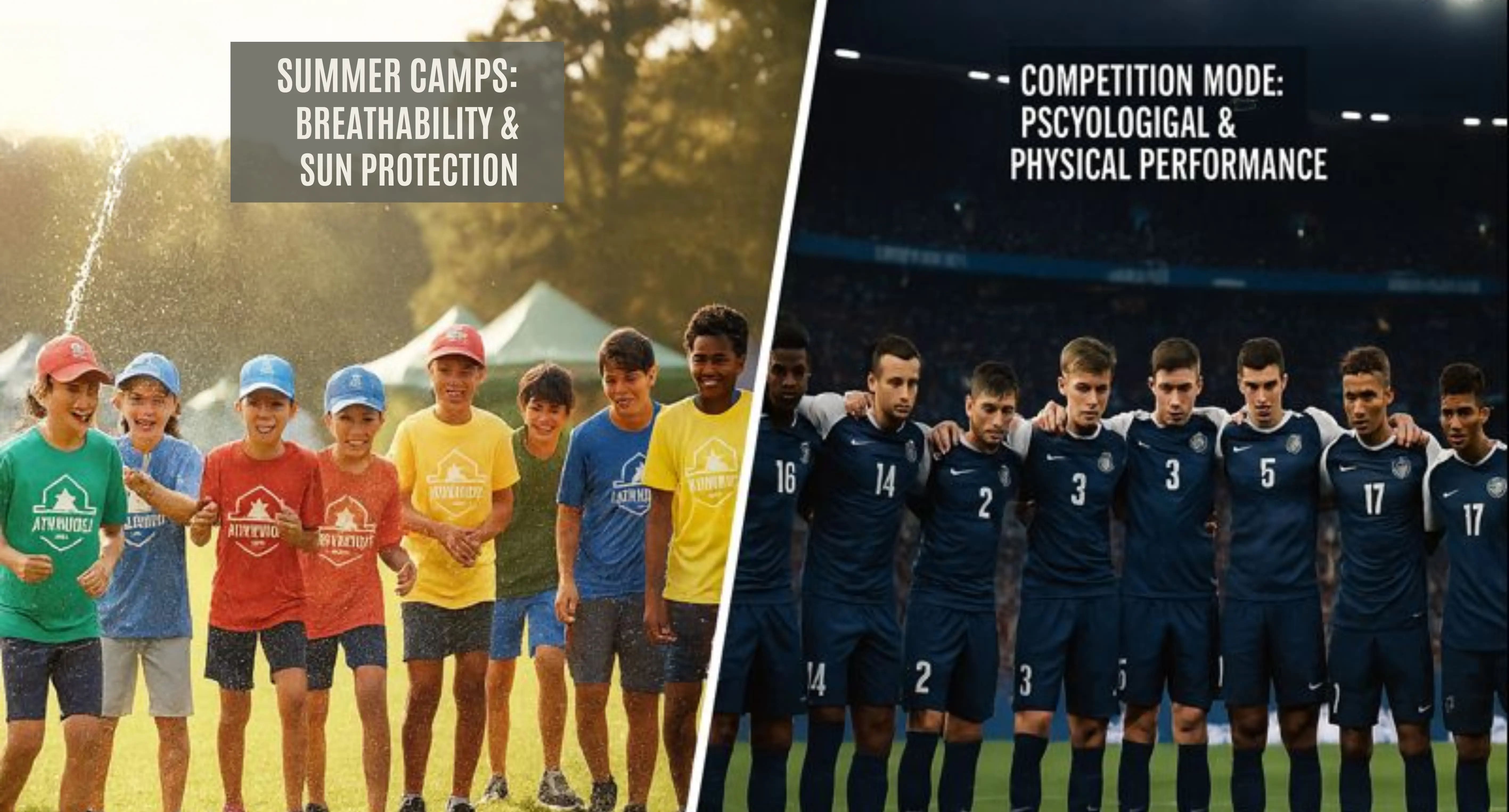
2. Summer Camps: Breathability and Sun Protection
The “Camp” phase of the year is usually less formal but physically demanding. The focus here should be on lightweight versatility.
The Essential Camp Kit:
- Performance Tees: Look for light, interlock polyester. It offers a smooth surface for branding but allows maximum airflow.
- Mesh Shorts: Classic for a reason. They dry fast if (when) water fights break out and allow for a full range of motion.
- Caps and Visors: Often overlooked, branded headwear is essential for safety during long days under the sun.
Pro-Tip: If you are running a multi-week camp, consider color-coding shirts by age group or skill level. It helps with organisation and safety, allowing staff to identify groups at a glance.
3. Competition Mode: Psychological and Physical Performance
When the season transitions to “Competition,” the uniform plays a different role. It becomes a suit of armor. Looking professional fosters team unity and boosts confidence.
The Game-Day Essentials:
- The Jersey: For contact sports, look for 4-way stretch fabrics that move with the body rather than restricting it.
- The Away Kit: Always have a contrasting color option. There is nothing worse than a color clash on game day that forces players to wear pinnies over their nice uniforms.
- Compression Gear: As the competition heats up, so does the physical toll. Offering compression shirts or shorts as an optional layer can help with muscle support and recovery.
4. The “In-Between” Season: Layering for Warm-Ups and Wind-Downs
As we discussed in previous posts, the most neglected part of the uniform is often the outerwear. A player who is shivering on the sideline is a player who is prone to injury when they step onto the field.
The Layering Strategy:
- The Base Layer: A tight-fitting thermal top that fits under the jersey without bulk.
- The Mid-Layer (The Hoodie): The classic team hoodie is a staple for a reason. It’s perfect for the bus ride and the post-game “wind-down.”
- The Outer Shell: A water-resistant track jacket or windbreaker is vital for those unpredictable spring and autumn showers.
5. Sizing and Retention: Making it Easy for Parents
You might have the best-looking uniforms in the league, but if the ordering process is a nightmare, you risk losing members.
- Digital Sizing Charts: Ensure your supplier provides accurate, brand-specific measurements. “Youth Medium” varies wildly between brands.
- Online Team Stores: Move away from paper order forms. An online portal where parents order directly reduces errors and saves the coach from handling cash.
- Pride = Retention: Never underestimate the power of “cool.” Kids want to wear gear that looks like what the pros wear. When a child loves their uniform, they are more likely to want to return next season.
Conclusion
From the heat of summer camp to the chill of the final playoff game, your team’s gear needs to adapt. By investing in quality fabrics that resist peeling and fading and by planning for the changing weather with smart layering options, you aren’t just buying clothes — you’re investing in the team’s experience.
Ready to upgrade your team’s look for the upcoming season?
Stay in the Loop with The Thread
Love this kind of content? You’ll love The Thread — our monthly deep dive into the art (and science) of branding that works.
Each issue explores proven strategies showing how smart uniforms and strong branding boost pride, performance and presence.